Article explores the possibilities of consuming unusual plants
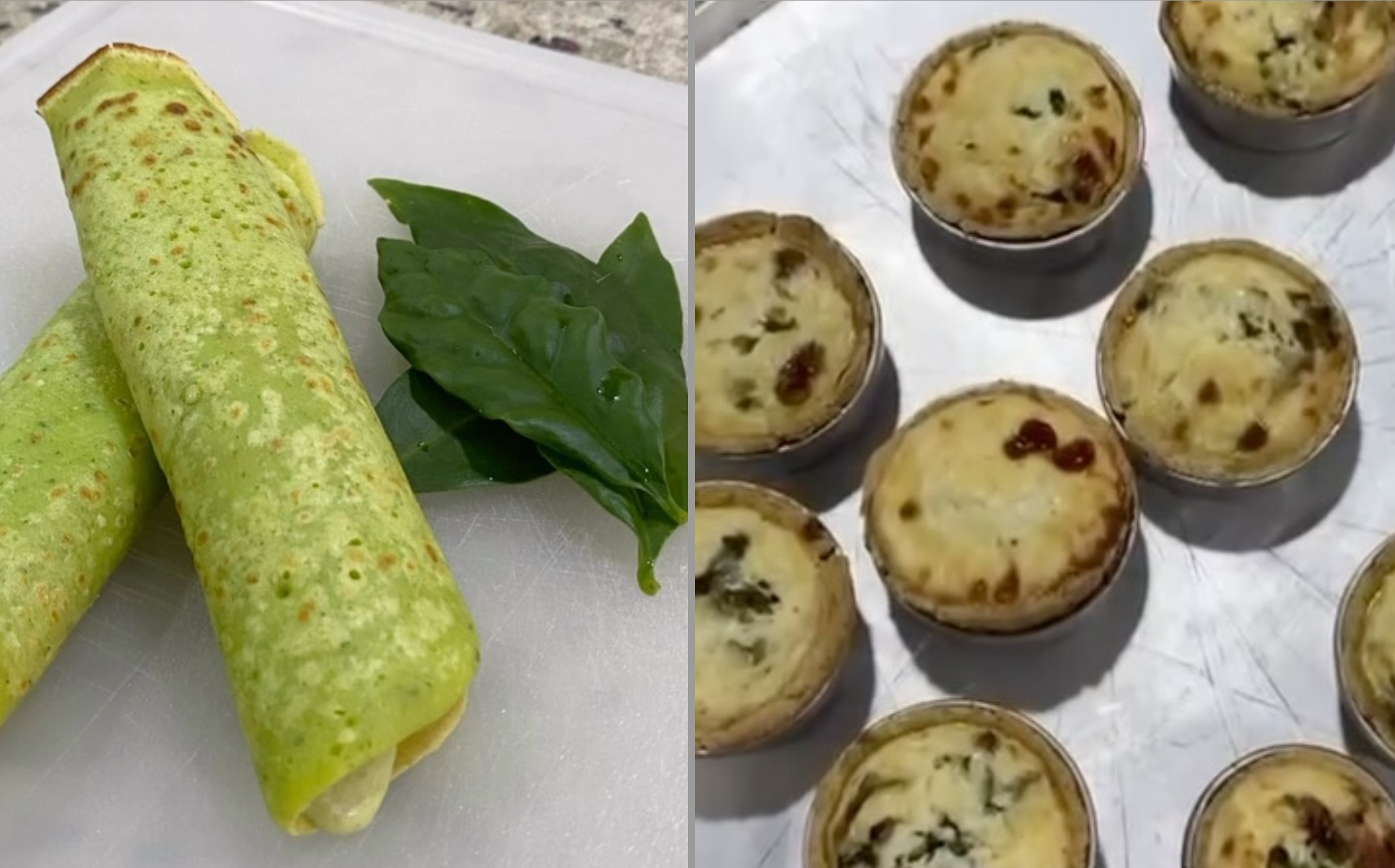
Source: Reproduced from Instagram/@panccult.ufes
The descriptive study “Cultivating knowledge and flavors of Non-Conventional Food Plants” as a teaching-learning tool about biodiversity and its sustainable use in food” reports on and evaluates the activities carried out by the PANCCult extension project between January 2021 and November 2024. The article was published in issue No. 18 of Guará Journal, a scientific journal published by the Pro-Rectorate for Extension (ProEx) at UFES. This issue of the journal covered extension initiatives related to the promotion of traditional knowledge, the strengthening of sustainable practices, and scientific dissemination via the internet.
The article presents educational initiatives to encourage the cultivation, consumption, and promotion of so-called NCFPs: unusual vegetables that are safe for human consumption. According to the article’s authors, although Brazil has one of the world’s greatest levels of biodiversity, 90% of the country’s diet consists of only 15 plant species. This dietary culture ends up neglecting various food groups, including NCFPs, which encompasses roots, tubers, leaves, sprouts, fruits, seeds, and other edible parts of plants and vegetables. “The industrialization of eating habits and the standardization of consumption based on widely marketed products have caused NCFPs to fall into obscurity,” comments Daniel Uliana, a student participating in the project and one of the article’s authors.
NCFPs can be native or originating from another country, cultivated by humans or growing spontaneously in nature. Currently, this food group is grown primarily on family farms, which contributes to its limited distribution, especially in urban areas. “One way to reverse this underutilization is by disseminating information about their use, nutritional value, and importance for sustainability. This is one of the project’s main objectives,” adds Daniel.
For Daniel, incorporating NCFPs into the diet can promote a more diverse food culture and enable more sustainable food production, since their cultivation respects species' biodiversity and the characteristics of each environment. “Many NCFPs are native, adapted to the local climate and soil, and require fewer resources such as water, fertilizers, and pesticides, which reduces the environmental impact of production,” the student argued.
The project is run by students from various health-related programs, under the coordination of Jackline Freitas Brilhante de São José, a professor in the Nutrition program at UFES. The project’s initial activities took place in 2020 through its Instagram account (@panccult.ufes), where information about NCFPs was shared in posts and educational videos. After in-person activities resumed at the university, the outreach students became involved in organizing and participating in events to disseminate scientific knowledge about the plants, as well as creating and sharing recipes featuring NCFPs that are easily found at markets in Greater Vitória—such as peixinho-da-horta (commonly known as lamb's ear), ora-pro-nobis, and taioba—through the project’s official social media profile. According to Daniel, the success of the recipes on the project’s social media channels indicates that NCFPs can be a tasty and healthy option on Brazilian tables. “The purple chicory fritter is the recipe that was most popular on our Instagram, reaching 3,400 views, followed by the ora-pro-nobis pancake, with 2,600. But, in my opinion, the tastiest is the taioba pie. Meanwhile, the ora-pro-nobis cake and the orange juice with sorrel are huge hits at our events—everyone wants to try them and learn how to make them to recreate at home,” he adds.
The article emphasizes that the project is a successful example of the use of social media as a tool for the general public to access scientific information and knowledge produced through UFES’s extension activities. “Our project combines scientific, popular, and traditional knowledge to disseminate the benefits and applications of NCFPs to different audiences across various age groups and socioeconomic backgrounds. Social media is an excellent communication tool for expanding the reach of scientific content and democratizing access to information,” concludes Daniel.
*Intern under the supervision of Paola Primo