Revistas
-
Almanaque de Ciência Política
A revista é um projeto editorial do CEDIP, Centro de Estudos em Instituições Políticas e Democracia da UFES, que visa propiciar maior circulação do conhecimento acadêmico por meio da publicação de trabalhos na área de Ciência Política, particularmente trabalhos que tratem das instituições políticas e outras dimensões dos regimes democráticos.
O Almanaque é um periódico eletrônico semestral, com várias seções para a publicação de trabalhos: (a) dossiê temático, (b) artigos de e ensaios de temática livre e (c) resenhas, (d) reedições ou republicações de textos antigos ou de difícil acesso. Eventualmente, o periódico também publicará entrevistas, crônicas e traduções de textos relevantes para a área das ciências sociais.
O periódico adota o sistema de publicação ahead of print, os artigos aprovados e finalizados são imediatamente publicados para agilizar sua circulação.
Aceitam-se artigos escritos em português ou espanhol.
-
Argumentum
O periódico Argumentum foi criado em 2009. Com periodicidade semestral de 2009 a 2015 e quadrimestral de 2016 a 2024. A partir de 2025 passou a ser publicado em Fluxo Contínuo.
É um periódico vinculado ao Programa de Pós-Graduação em Política Social da Universidade Federal do Espírito Santo.
Classificada como A1, pelo Qualis Periódicos da Coordenação de Aperfeiçoamento de Pessoal de Nível Superior (Capes). Argumentum possui caráter interdisciplinar e propõe-se a publicar pesquisas, artigos originais nos eixos Política social, Estado e Sociedade e suas diversas interações (ver Políticas de Seção). É um periódico de acesso aberto nos termos da licença Creative Commons Atribuição 4.0 Internacional - CC-BY 4.0 e conta com apoio da Fundação de Amparo à Pesquisa e Inovação do Espírito Santo (FAPES), essencial para os avanços conquistados.
A missão do períodico Argumentum é Ser de excelência na área de Serviço Social por meio da publicação de pesquisas, artigos e discussões nos eixos Política social, Estado e Sociedade e suas diversas interações.
-
Brazilian Journal of Production Engineering
Revista creada a fines de 2015 con el Sistema de Editoriales y Publicaciones UFES. Su creación se debió a una demanda del Centro de Investigación en Gestión de Sistemas de Producción (NPGSP), con el objetivo de brindar acceso científico y rápido a la comunidad académica en el área de Ingeniería de Producción de manera transversal e interdisciplinaria.
ISSN: 2447-5580
Año de fundación: 2015
Frecuencia: Trimestral
Editor Responsable: Rodrigo Randow de Freitas
Correo electrónico institucional: revista.bjpe@ufes.br / revistabjpe@gmail.com
Indexadores: Sumários / Livre / Index Copernicus / ResearchBIB / EZ3 / Road / Base / WorldCat / Internet Archive / Redib / Oasisbr / Rootindexing / Scilit / Diadorim / Latindex / Dialnet / Dimensions
Licencia:
CC BY 4.0 DEED
Atribuição 4.0 Internacional
-
Cadernos de Astronomia
A revista Cadernos de Astronomia é uma publicação semestral do Núcleo Cosmo-Ufes da Universidade Federal do Espírito Santo e que conta também com recursos humanos do Centro Brasileiro de Pesquisas Físicas e da Universidade Federal de Ouro Preto (vide o Corpo Editorial).
Propõe-se a publicar artigos destinados à divulgação científica, história da ciência, ensino e pesquisa em astronomia e áreas correlatas. O objetivo é tornar acessível a um amplo público, que inclui estudantes secundários, graduandos e simpatizantes da área, o conhecimento científico relacionado à astronomia, cosmologia e gravitação.
Possuindo acesso totalmente gratuito, cada número dedica uma seção inteira a um tema específico, onde especialistas nacionais e internacionais discutem em detalhes aspectos qualitativos e quantitativos do tópico em questão.
A partir de 2023 os números semestrais dos CdA serão publicados nos meses de Março e Setembro. Cada um desses números possuem datas limite para receber submissões:
- Números publicados em Março - Submissões feitas até 10 de Janeiro;
- Números publicados em Setembro - Submissões feitas até 1º de Julho.
Submissões recebidas após as datas limite acima não terão garantias de que, uma vez aceitas para publicação, façam parte do próximo número. Não sendo publicadas no próximo número, elas são automaticamente programadas para publicação no número subsequente a ser lançado.
-
Caderno Eletrônico do Núcleo de Estudos e Pesquisas em Alfabetização, Leitura e Escrita do Espírito Santo
Reunir, em plataforma única, as edições dos Anais do Simpósio de Alfabetização Leitura e Escrita do Espírito que já consta, em 2024, de sua 5 edição.
-

Cadernos de Pesquisa em Educação
A Revista Cadernos de Pesquisa em Educação, editada pelo Programa de Pós-Graduação em Educação (PPGE) do Centro de Educação (CE) da Universidade Federal do Espírito Santo (UFES), tem por objetivos promover a divulgação da produção acadêmica sobre a educação nas suas múltiplas relações, além de contribuir para debates de questões relacionadas com o contexto educacional em suas diferentes dimensões.
-
Caderno Eletrônico de Ciências Sociais
O Cadecs é um projeto editorial do Programa de Pós-Graduação em Ciências Sociais da Universidade Federal do Espírito Santo (Ufes), que visa propiciar maior circulação do conhecimento acadêmico por meio da publicação de trabalhos nas áreas de sociologia, política e antropologia – ou em suas interfaces.
O periódico acadêmico-científico é publicado semestralmente em formato eletrônico, com três seções básicas para a publicação de trabalhos: (a) dossiê temático, (b) artigos de temática livre e (c) resenhas. Eventualmente, o periódico também publicará entrevistas, ensaios e traduções de textos relevantes para a área das ciências sociais.
-
Diálogos sobre a Modernidade
A revista Diálogos sobre a Modernidade foi criada em 2018 com o objetivo de reunir investigadores brasileiros dedicados a refletir sobre o Reino português, nos seus mais diversos aspectos, durante a Época Moderna. Valorizando a pesquisa empírica e o diálogo com as metodologias e as abordagens contemporâneas, propõe-se a descortinar temáticas já consagradas pela historiografia luso brasileira sob diferentes prismas, bem como introduzir novos objetos na cena da produção do conhecimento histórico. Tendo como eixo o Estado, seus trabalhos vêm contemplando uma gama de problemáticas que, para além da história política, incluem as trajetórias e biografias, as redes de sociabilidade, as novas sensibilidades cortesãs, a produção de discursos e narrativas diversas, a história intelectual e institucional, dentre outros recortes.
-

Desafios do Processo
Desafios do Processo es una revista publicada por el Programa de Posgrado en Derecho de la Universidad Federal de Espírito Santo, cada cuatro meses. Desafíos do Processo tiene como objetivo promover la discusión multidisciplinar sobre Derecho Procesal, se utiliza el Open Journal Systems (OJS 3.3.0.8), un sistema gratuito de código abierto para la gestión y publicación de revistas, desarrollado con el apoyo y distribución de Public Knowledge Project bajo la GNU Licencia publica general.
-
Dimensões
Dimensões – Revista de História da Ufes é um veículo de divulgação científica de periodicidade semestral voltado para a publicação de artigos inéditos e resenhas de autoria de mestres, doutorandos e doutores. Os artigos são agrupados em dossiês ou temas livres. A revista se encontra classificada como A1 no Qualis de periódicos elaborado pela Capes (2021-2024).
-
Farol
Revista Farol es una publicación semestral del Programa de Postgrado en Arte de la Universidad Federal de Espírito Santo. Como periódico del área de Artes, esta revista se presenta como un espacio complementario para la difusión de la producción teórica sobre el arte moderno y contemporáneo, la Historia del Arte y las investigaciones relacionadas con estos campos.
-
Fernão: Revista do Núcleo de Estudos e Pesquisas da Literatura do Espírito Santo (Neples)
A Revista Fernão é uma publicação do Núcleo de Estudos e Pesquisas da Literatura do Espírito Santo do Programa de Pós-Graduação em Letras do Centro de Ciências Humanas e Naturais da Universidade Federal do Espírito Santo. O título da revista, Fernão, foi uma grata sugestão de Reinaldo Santos Neves, cujo objetivo é homenagear o escritor Renato Pacheco (Vitória, 1928-2004), autor de Cantos de Fernão Ferreiro e outros poemas heterônimos (1985).
Quatro seções (a que outras poderão ser acrescentadas excepcionalmente) compõem o periódico:
- Portfólio: publica artigos sobre a obra de autor a ser indicado nas chamadas.
- Memória: publica (por parte de seus editores e/ou de colaboradores) propostas de reedição de estudos antigos e fora de circulação, de temática diversa, na área de Estudos Literários voltados para a literatura do Espírito Santo.
- Seleta: publica (por parte de seus editores e/ou de colaboradores) recolhas ou antologias de textos literários antigos, manuscritos, editados e inéditos, de diferentes épocas da literatura do Espírito Santo.
- Resenha: publica comentários críticos a respeito de livros literários de autores nascidos ou residentes no Espírito Santo, ou de livros críticos e historiográficos sobre a literatura do Espírito Santo, desde que publicados de 2016 em diante.
Entenda-se como Literatura do Espírito Santo, para fins de publicação na Fernão, tanto aquela feita por autor(a) natural do Espírito Santo que, aqui ou fora daqui, tenha produzido no todo ou em parte a sua obra, como o(a) que, natural de outros estados ou até mesmo de países estrangeiros, tenha entre nós produzido obra literária.
-

Geografares
La revista Geografares está asociada al Programa de Posgrado en Geografía y al Departamento de Geografía de la Universidad Federal de Espírito Santo, cumplió veinticinco años en 2025 con 40 números publicados. La revista tuvo publicación exclusiva en papel hasta el número 7, a partir del número 8, se convirtió en una revista digital. Actualmente, todos los números están disponibles en la página web de la revista en formato PDF. Fue a partir del número 9, publicado en el segundo semestre de 2010, que el sistema de envío se automatizó por completo y la gestión de la revista y su publicación se digitalizaron a través de la plataforma Open Journal Systems. La revista publica dos números anuales, recibe artículos variados y/o propone separatas sobre temas específicos.
Geografares tiene secciones de artículos, entrevistas, notas de investigación, revisiones y traducciones. Los temas publicados abarcan asuntos de la Geografía "física" y "humana", aunque también publicamos textos de otras áreas de conocimiento que dialogan con la Geografía, especialmente a través del enfoque territorial y espacial. Básicamente, el área geográfica alcanzada por los artículos de la revista comprende a Brasil y a América Latina. Nuestro idioma dominante es el portugués, pero también aceptamos envíos en inglés, español y francés.
Todos los artículos publicados tienen número DOI.
-
Health and Biosciences
La revista Salud y Biociencias, creada en 2020, se publica trimestralmente y de forma continua. Su objetivo es publicar artículos relacionados con las áreas de conocimiento de las Ciencias Farmacéuticas, Biológicas, de la Salud y de la Educación. ISSN: 2675-276X
-
Revista de Música Ubicua
j-ubimus tiene por objetivo promover el conocimiento, las prácticas y las investigaciones en música ubicua. La publicación, vinculada al Programa de Posgrado en Artes (PPGA) de la Universidad Federal de Espírito Santo (UFES) y al Simposio de Música Ubicua (UbiMus), innova en el proceso de producción y difusión de conocimiento. Todos los trabajos presentados a UbiMus son evaluados por revisores internacionales pudiendo ser publicados en las actas del evento y en versión ampliada como pieza central de cada volumen. El fascículo se complementa con textos que hacen referencia y dialogan con el artículo central. Los comentarios también son evaluados y revisados por el consejo editorial y reciben un registro individual. El conjunto de estos materiales, similar a un blog, constituye un volumen.
j-ubimus adopta el formato de acceso abierto, indexado y alineado con los requisitos del sistema Scielo y de otros repositorios científicos abiertos. El objetivo es un periódico multilingüe con un idioma por volumen, incluyendo una versión resumida en inglés de los contenidos principales. También serán incorporados formatos alternativos de presentación, que reflejen los avances de la investigación ubimus y su impacto en los métodos de divulgación y presentación.
-
Cultura e Sul Global
Sobre a Revista Cultura e Sul Global
A Revista Cultura e Sul Global está inserida no Núcleo de Pesquisa Diversidade e Descolonização (NUDES), fundado em 2008 e coordenado pela Profª. Drª. Julia Almeida e pelo Profº. Drº. Luis Eustáquio Soares, ambos lotados no Departamento de Línguas e Letras (DLL) da Universidade Federal do Espírito Santo (UFES), o que pressupõe, se defendêssemos unidades discursivas autônomas, a seguinte interrogação: por que uma revista acadêmica referenciada na cultura, se seu lastro expressivo é o campo da literatura e seu núcleo institucional é o Programa de Pós-Graduação em Letras (PPGL) da UFES?
A reposta a apresentamos em interface com Antonio Gramsci de Literatura e vida nacional (1978), que assim se posicionou a respeito:
“É evidente que, para ser exato, deve-se falar de luta por uma nova cultura e não para uma nova arte” (GRAMSCI, 1978, p. 8), pois “a poesia não gera poesia; a partenogênese não existe” (GRAMSCI, 1978, p. 10) e, por extensão, “a literatura não gera literatura” (GRAMSCI, 1978, p. 10).
Compartilhamos com a posição lúcida e realista de Gramsci. A arte e, assim, a literatura (também) não se autoproduzem e são sempre variações estéticas da cultura, que pode ser a cultura dominante do sistema de poder da era do capitalismo mundial integrado, imposta (também por meio do soft power) sobretudo contra os países do Sul Global pelo Ocidente, liderado por seu Superego e Id imperialistas ao menos desde o fim da Segunda Guerra Mundial, EUA; ou a cultura a um tempo da resistência e da alternativa cujo sujeito coletivo não é outro, como potência ascendente do trabalho revolucionário da emancipação da humanidade, senão este: a Maioria Global, desafio histórico irrecusável e necessário do novo senso comum cultural de libertação das formas de ser e estar do conteúdo do trabalho soberano da autossuficiência criativa e polifônica dos povos, antes de tudo que viveram e vivem a tragédia sem fim do jugo orquestrado pela racista oligarquia financeira euro-norte-americana.
E o que é cultura? Adotamos como referência o teórico Raymond Williams. Em Marxismo y literatura (1988) escreveu, a propósito, que a cultura se define como “um processo social constitutivo, criador de estilos de vida específicos e diferentes” (WILLIAMS, 1988). Em Materialismo e cultura argumentou que "a cultura são seus meios de produção materiais orientados [...] para a apropriação geral de todas as forças reais da produção” (WILLIAMS, 2011, p.350).
Defendemos que no período da indústria cultural monopolizada por Estados Unidos, a cultura se tornou uma empresa mundial de produção de subjetividades, compreendidas como o primeiro pilar das forças materiais das formações sociais capitalistas, por conformar a mentalidade, sob a forma de estilos de vida, tanto de quem decide quanto de quem é decidido; tanto dos agentes dos acontecimentos que afetam toda a humanidade, quanto da servidão voluntária que os replica, à direita e a (fake) esquerda globalista liberal, encarnando-os no corpo, na totalidade do ser social, em sua versão unipolar.
E, com Gramsci, pelo que devemos lutar? Sim, pelo complexo estratégico-cultural emancipatório do direito à soberania plena de cada país, orquestrando-se de modo multipolar, poliédrico, em sua dimensão popular, o que significa, autossuficiência tecnológico-cultural, com a radical democracia criativa na contramão do capitalismo de nuvem, a fim de produzirmos o socialismo do ecossistema da inteligência geral impulsionado pela contribuição infinita da criatividade comum, em tempo real, com uma humanidade não alienada, porque toda sua, para si, porque de quaisquer.
Sobre as seções temática da Revista Cultura e Sul Global serão:
- Dossiê temático relativo a cada edição da Revista Cultura e Sul Global, apto a receber contribuições, sob a forma de artigos, de todas as áreas de conhecimento que contemplem a proposta apresentada no item anterior.
- Literatura e outras artes, que aceitará artigos sobre literatura e outras artes que estejam relacionas com a transversalidade cultural-estratégica do Sul Global;
- Cultura popular, que publicará diferentes gêneros textuais com a temática sobre a cultura popular do Sul Global;
- Imperialismo norte-americano e indústria cultural, que publicará artigos sobre o monopólio da indústria cultural mundial realizado pelos trustes estadunidenses, incluindo os relativos às Big Techs;
- Educação e política, que aceitará artigos sobre a relação entre educação e política, tendo como eixo os transcendentais desafios da Maioria Global.
-
Latin American Journal of Energy Research
A Lajer - Latin American Journal of Energy Research é uma revista científica de acesso aberto, completamente gratuita em todas suas etapas, com periodicidade quadrimestral (janeiro-abril, maio-agosto e setembro-dezembro), e-ISSN 2358-2286 e DOI 10.21712.
A Lajer tem classificação B2 nas áreas: Interdisciplinar, Engenharias I, Engenharias IV, Arquitetura, Urbanismo e Design e Ciências Agrárias I, quadriênio 2017-2020, Qualis Periódicos da Capes.
São publicados artigos científicos originais correlatos com o tema de energia abordando as temáticas: a) Petróleo e Gás Natural, b) Geologia e Geofísica, c) Engenharias, d) Eficiência Energética, e) Energias de Baixo Carbono (renováveis), e f) Transição Energética.
A submissão, e todas as etapas, é online e realizado via a plataforma OJS/PKP. Em no máximo 15 dias os autores são informados sobre o status da submissão efetuada.
Após a avaliação, os artigos aceitos são enquadrados no formato Lajer com atribuição do DOI.
A revista está cadastrada no Portal de Periódicos Capes e em diversas bases indexadoras.
A escrita abreviada é "Lat. Am. J. Energy Res." (Fonte: Paperpile).
-
Kiri-Kerê - Pesquisa em Ensino
Kiri-Kerê – Pesquisa em Ensino é uma publicação do Programa de Pós-Graduação em Ensino na Educação Básica (PPGEEB-UFES) dedicada à área de Ensino com uma abordagem interdisciplinar. Busca estimular a divulgação de resultados de investigação científica inéditos. A Revista procura atingir um público formado por pesquisadores, alunos e professores em todos os níveis.
-
PERcursos Linguísticos
A revista eletrônica PERcursos Linguísticos é uma publicação de acesso aberto do Programa de Pós-Graduação em Linguística da Universidade Federal do Espírito Santo (UFES) e tem como objetivo divulgar resultados de pesquisas desenvolvidas por pesquisadores, brasileiros e estrangeiros, que se dedicam aos estudos linguísticos em diferentes níveis, sejam eles doutores, pós-graduandos, graduados ou alunos de Iniciação Científica.
Atualmente a revista está avaliada no Qualis Capes como B3.
ISSN: 2236-2592A revista está indexada em: LATINDEX, Diadorim, JOURNALSEEKER, SUMÁRIOS.ORG, Journals4free, SHERPA/RoMEO, Google Scholar/Metrics, WorldCat.org,EZB-Elektronische Zeitschriftenbibliothek, ERIHplus, CIRC, CCG / IBT - UNAM, Vérsila-Biblioteca Digital, REDIB , ZDB , JURN, DOAJ , Periódicos.Capes, The Linguist List, BASE, I2OR, Europub , MLA - Modern Language Association , Scilit , ROAD
-
Pró-Discente
A Pró-Discente é uma revista acadêmico-científica mantida por alunas e alunos de Programas de P´ós-Graduação, tendo sua sede localizada no Programa de Pós-Graduação em Educação da Universidade Federal do Espírito Santo. A Pró-Discente publica artigos, ensaios, entrevistas e resenhas unicamente na área de educação em suas múltiplas relações.
-
Poetizar. Revista de Contos, Crônicas e Poesias
A Poetizar, Revista de Contos, Crônicas e Poesias é um projeto de extensão da Universidade Federal do Espírito Santo - Campus São Mateus, que abre espaço para publicação de contos, crônicas e poesias escritas por você, com objetivo de divulgá-los para o público-alvo que acessa a revista.
Crie sua arte e venha Poetizar conosco!
Curta Nossa fanpage: Revista poetizar
Instagram: revista_poetizar
Contato: revistapoetizar@gmail.com
.png)
-

Revista Ágora
Publicación periódica en flujo continuo (Ahead of Print) del Programa de Postgrado en Historia de la Universidad Federal de Espírito Santo desde 2005. ISSN 1980-0096. Open Journal Systems - OJS es un sistema de código abierto gratuito para la administración y publicación de revistas, desarrollado con el apoyo y distribución del Public Knowledge Project bajo la Licencia Pública General GNU. El acceso a la revista es abierto al público y gratuito, sin cobros por la lectura de artículos o el envío de trabajos. La evaluación de los trabajos presentados sigue la regla de doble evaluación anónima (ciega) por pares.
-
Revista do Arquivo Público do Estado do Espírito Santo
A Revista do Arquivo Público do Estado do Espírito Santo tem por objetivo fomentar a pesquisa em História, Arquivologia, Ciências Sociais, Geografia, Biblioteconomia, como áreas prioritárias da nossa linha editorial. Para isso, buscamos estabelecer parcerias com o meio acadêmico, no sentido de modernizar nossas atividades enquanto órgão do Governo do Estado do Espírito Santo, vinculado à Secretaria de Estado da Cultura, no que diz respeito às responsabilidades legais no âmbito da Gestão Documental. Além disso, visa incentivar a utilização do nosso acervo como importante fonte para os estudos sobre a História do nosso Estado, bem como difundir e compartilhar o conhecimento produzido.
-
Revista Brasileira de Pesquisa em Saúde/Brazilian Journal of Health Research
ISSN - 2446-5410
La RBPS es una publicación del Centro de Ciencias de la Salud de la Universidad Federal de Espírito Santo. Su misión es publicar manuscritos de alto nivel técnico-científico que contribuyan, directa o indirectamente, a la promoción del conocimiento en las áreas de Ciencias de la Salud. La RBPS está destinada a la publicación continua de manuscritos científicos, incluyendo editoriales, artículos originales, artículos de revisión, informes de casos e informes de experiencia, relacionados con temas y estudios de interés técnico-científico en el campo de las Ciencias de la Salud.
Puede acceder a las "Directrices para Autores" en el siguiente enlace: https://periodicos.ufes.br/rbps/about/submissions
Acceda a la plantilla para la presentación de su manuscrito en la RBPS. Siga las instrucciones de forma rigurosa. Incluya también las demás declaraciones y la hoja de presentación. Además, puede acceder al modelo de hoja de presentación con todos los elementos que deben ser enviados.
Para contactarnos, envíe un correo electrónico a rbps.ccs@ufes.br.
-
Revista (Con)Textos Linguísticos
Publicación semestral de acceso abierto y gratuita del del Programa de Posgrado en Lingüística de la Universidad Federal de Espírito Santo (Ufes) - Vitória, ES, Brasil. e-ISSN 1982-291X
-

Revista do Colóquio
La Revista Coloquio de Arte e Investigación PPGA-UFES, o Revista do Colóquio, surge como un espacio para la publicación de artículos, relatos de experiencias y ensayos visuales realizados en el campo de las Artes y áreas afines. Abierto a recibir propuestas en portugués, español, francés e inglés, Coloquio defiende el fortalecimiento de una comunidad académica a través de la intersección de ideas y el mantenimiento de una mirada crítica sobre la producción de Arte.
-
Revista de Estud(i)os sobre Fichte
Fundada en 2010, la Revista de estudios sobre Fichte está afiliada, desde 2025, al PPGFIL/UFES (Brasil). Se trata de una revista científica semestral dedicada a los estudios sobre Johann Gottlieb Fichte, su contexto histórico-intelectual y sus principales interlocutores, con especial atención a las perspectivas latinoamericanas, ibéricas e italianas. La revista publica contribuciones originales en español, portugués, inglés e italiano. Todas las contribuciones se someten a un proceso de evaluación científica por pares doble ciego, que garantiza el anonimato recíproco de autores y revisores; el procedimiento de revisión se gestiona a través de la plataforma OJS (Open Journal Systems), respetando los criterios de transparencia, imparcialidad y calidad científica. La revista se publica exclusivamente en formato digital, en acceso abierto. En línea con los principios del acceso abierto, la revista garantiza el libre acceso a sus contenidos, en la convicción de que la difusión gratuita de la investigación científica contribuye a mejorar el intercambio de conocimiento a nivel global.
-
Revista Educação Especial em Debate
A Revista Educação Especial em Debate é um periódico eletrônico e semestral do Núcleo de Ensino, Pesquisa e Extensão em Educação Especial - NEESP, vinculado ao Centro de Educação da Universidade Federal do Espírito Santo - Ufes. Este periódico, tem como proposta publicar artigos - oriundos de pesquisas e práticas pedagógicas -, resenhas de livros, dossiês e traduções inéditas na área de Educação Especial de autores brasileiros e estrangeiros. A revista tem o Português (Brasil) como idioma principal, mas os textos podem também ser escritos em inglês, espanhol e francês.
-
Revista Guará
La Revista Guará (e-ISSN: 2316-2007 / ISSN: 2446-9491) es una revista científica interdisciplinaria de acceso abierto, vinculada a la Pró-Reitoria de Extensão de la Universidad Federal de Espírito Santo (Ufes), dedicada a la publicación en flujo continuo de estudios relacionados con la extensión universitaria. La revista promueve la difusión de investigaciones, análisis y relatos de experiencia que articulan extensión, enseñanza e investigación, contribuyendo al desarrollo social y al fortalecimiento del diálogo entre la universidad y la sociedad. Clasificada como A1 en el sistema Qualis de Capes (2021–2024), adopta prácticas alineadas con la ciencia abierta y los estándares internacionales de comunicación científica.
-
"Revista Gestión y Conexiones"
La REGEC se dedica a la publicación de contribuciones originales e inéditas, en especial, artículos y notas bibliográficas en las siguientes áreas temáticas:
- Estudios Organizacionales
- Operaciones y Logística
- Estrategia en Organizaciones
- Mercado y Consumo
- Finanzas Corporativas
- Gestión de Personas
- Administración Pública y Gubernamental
- Innovación
- Gestión Social y Ambiental
-

Revista Latino-Americana de Estudos Científicos
A RELAEC - Revista Latino-Americana de Estudos Científicos é um periódico interinstitucional e de fluxo continuo que aceita a colaboração livre de textos inéditos, de reconhecido interesse acadêmico e atualidade das ciências na forma de artigos, ensaios bibliográficos e resenhas.
-
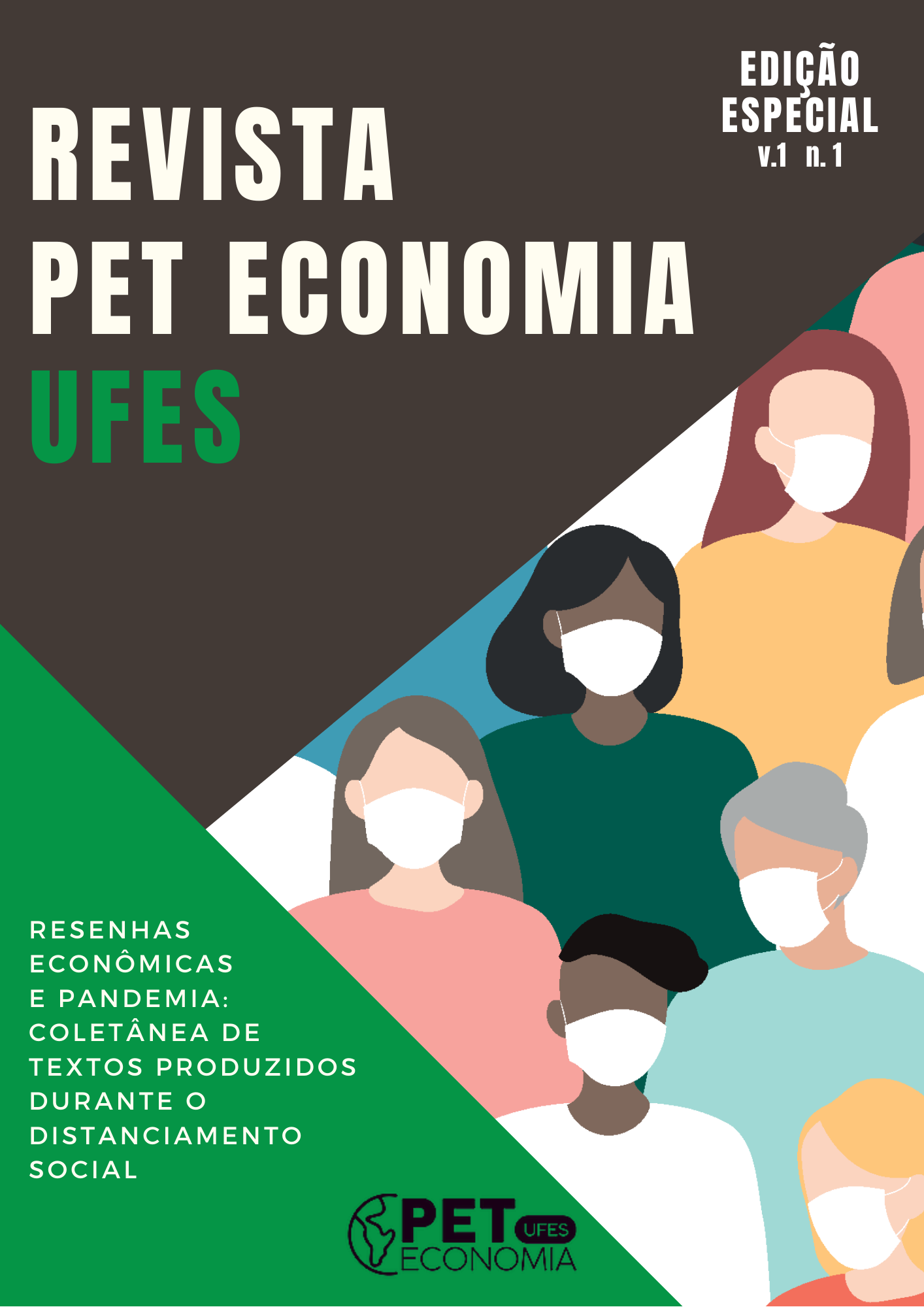
Revista Pet Economia UFES
Revista destinada a dar publicidade às atividades dos petianos e petianas do Programa de Educação Tutorial do Curso de Ciências Econômicas da UFES - PET Economia UFES, bem como às experiências de outros programas PET do país, aos trabalhos acadêmicos e científicos, projetos de iniciação cientfica, resenhas críticas, artigos de opinião e entrevistas com convidados, com a finalidade de difundir e estimular o ensino, a pesquisa e a extensão universitários.
-
Romanitas - Revista de Estudos Grecolatinos
Romanitas – Revista de Estudos Grecolatinos nació, al principio, de un hallazgo: la falta visible, en Brasil, de revistas interdisciplinarias comprometidas con la difusión de la producción intelectual acerca de las sociedades griega y romana, una realidad en marcado contraste con el aumento en el interés despertado, en las últimas décadas, por los estudios clásicos, como es posible concluir con base en el creciente número de investigadores involucrados, en todos los niveles de formación académica, en proyectos de investigación sobre el pasado de Grecia y Roma, que motivaron al equipo del Laboratorio de Estudios sobre el Imperio Romano/Sección ES, vinculado al Programa de Postgrado en Historia de la Universidade Federal do Espírito Santo (Ufes), para fundar la revista.
-
Sofia
A Revista Sofia (ISSN 2317-2339, classificada como A2 no Qualis 2021-2024), vinculada ao Programa de Pós-Graduação em Filosofia da Universidade Federal do Espírito Santo (UFES), publica artigos originais, traduções e resenhas na área de Filosofia, assinados por professores e pesquisadores que sejam doutorandos ou possuam título de mestre ou doutor. Dessa forma, busca contribuir para o debate na comunidade filosófica nacional e internacional.
A Revista é publicada semestralmente, com edições previstas para julho e dezembro. Seu conteúdo inclui dossiês temáticos, artigos submetidos em fluxo contínuo, traduções e resenhas. Serão aceitos trabalhos originais em português, inglês, francês, espanhol, italiano ou alemão.
-

Simbiótica. Revista Eletrônica
Simbiótica es una revista del Núcleo de Estudios e Investigaciones Indiciarias (NEI-UFES) vinculada al Programa de Posgrado en Ciencias Sociales de la Universidad Federal del Espírito Santo (UFES), Vitória, Brasil. Desde el campo de las Ciencias Sociales, Simbiótica busca transitar e interrelacionar diferentes áreas del conocimiento bajo una perspectiva compleja.
Aceptamos únicamente trabajos inéditos que no hayan sido sometidos a procesos de selección en otras revistas o medios de publicación científica. Todos los trabajos son verificados mediante software antiplagio y evaluados mediante un proceso de revisión por pares doble ciego, tanto por miembros internos (Consejo Científico) como externos (evaluadores ad hoc).
Publicamos trabajos redactados en portugués, español e inglés. Los interesados pueden enviar artículos, ensayos, etnografías, reseñas y entrevistas.
Lea nuestras publicaciones en:
http://periodicos.ufes.br/simbiotica/about/submissionsLas consultas serán respondidas al correo electrónico: revistasimbiotica@gmail.com
Simbiótica. Revista Electrónica está licenciada bajoCC BY-NC 4.0© 2

-
Temporalis
Temporalis es una revista creada en 2000, con publicación semestral, editada por la Asociación Brasileña de Enseñanza e Investigación en Servicio Social (ABEPSS) destinada a la publicación de trabajos científicos sobre temas actuales y relevantes en el Servicio Social y áreas afines que abarquen las actividades de enseñanza, investigación, extensión y el ejercicio profesional. Posee clasificación A1 por el Qualis-Periódicos. La Revista es un periódico arbitrado, indexado, de circulación nacional e internacional.
-
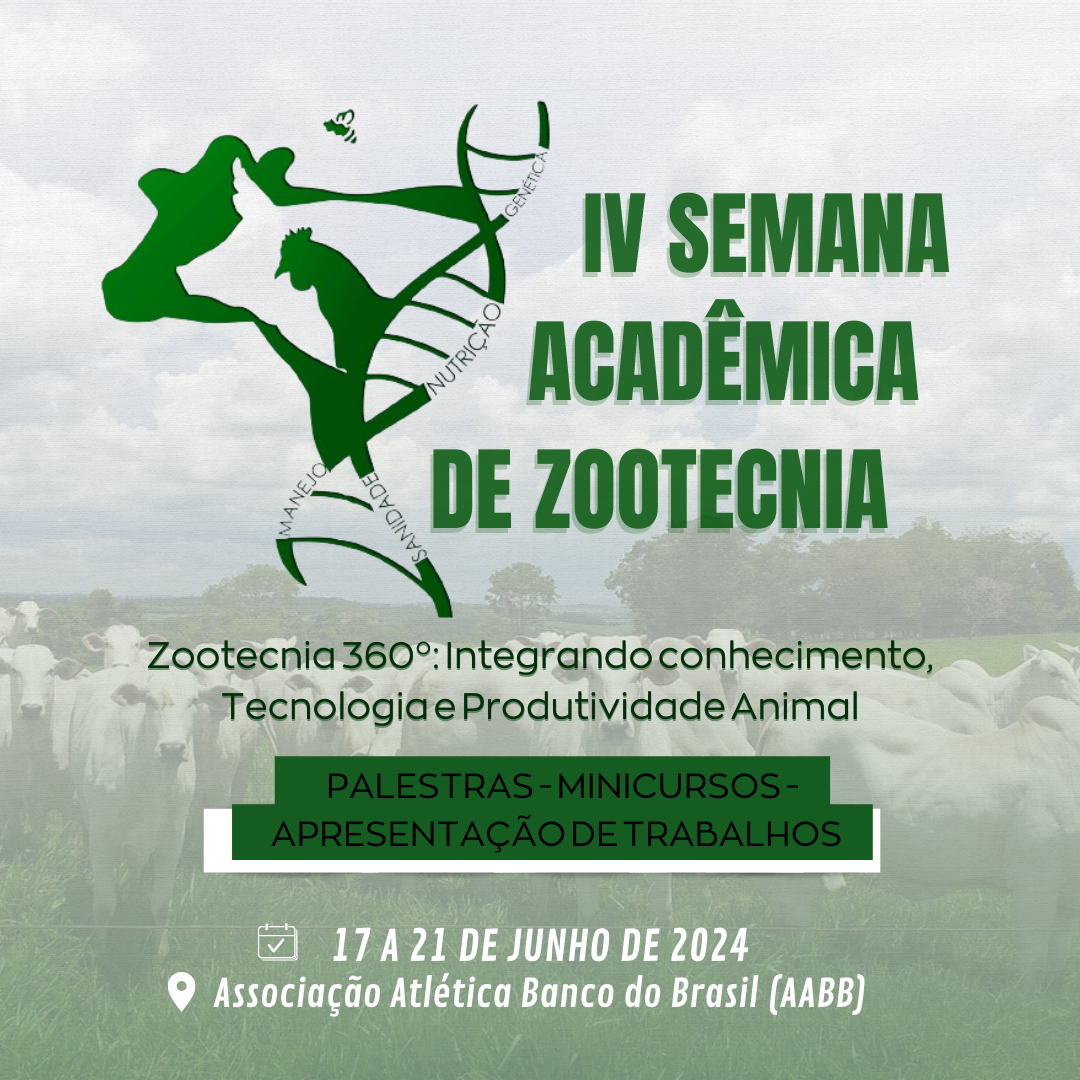
Anais da Semana Acadêmica de Zootecnia CCAE/UFES - SEAZOO
A Semana Acadêmica de Zootecnia da UFES de Alegre é um encontro científico anual, direcionado principalmente a estudantes de ensino técnico, graduação e pós-graduação em Zootecnia e áreas relacionadas. Este evento é organizado por alunos da Zootecnia, todos associados ao Departamento de Zootecnia da Universidade Federal do Espírito Santo (UFES).
Durante a semana acadêmica, são abordados tópicos relevantes que englobam a criação, nutrição, manejo e melhoramento genético de animais destinados à produção de alimentos. Através de palestras, apresentações de pesquisas e mesas-redondas, os participantes possuem a oportunidade de aprofundar seus conhecimentos nas áreas de nutrição animal, tecnologias aplicadas à produção agropecuária e questões relacionadas à segurança alimentar.
A SEAZOO se configura como um espaço propício para a troca de ideias, networking e disseminação do conhecimento científico no campo da Zootecnia. Este evento proporciona uma plataforma valiosa para estudantes e profissionais que buscam se atualizar sobre as mais recentes pesquisas e avanços na área, contribuindo assim para a formação de profissionais aptos a enfrentar os desafios do setor agropecuário no futuro.
-
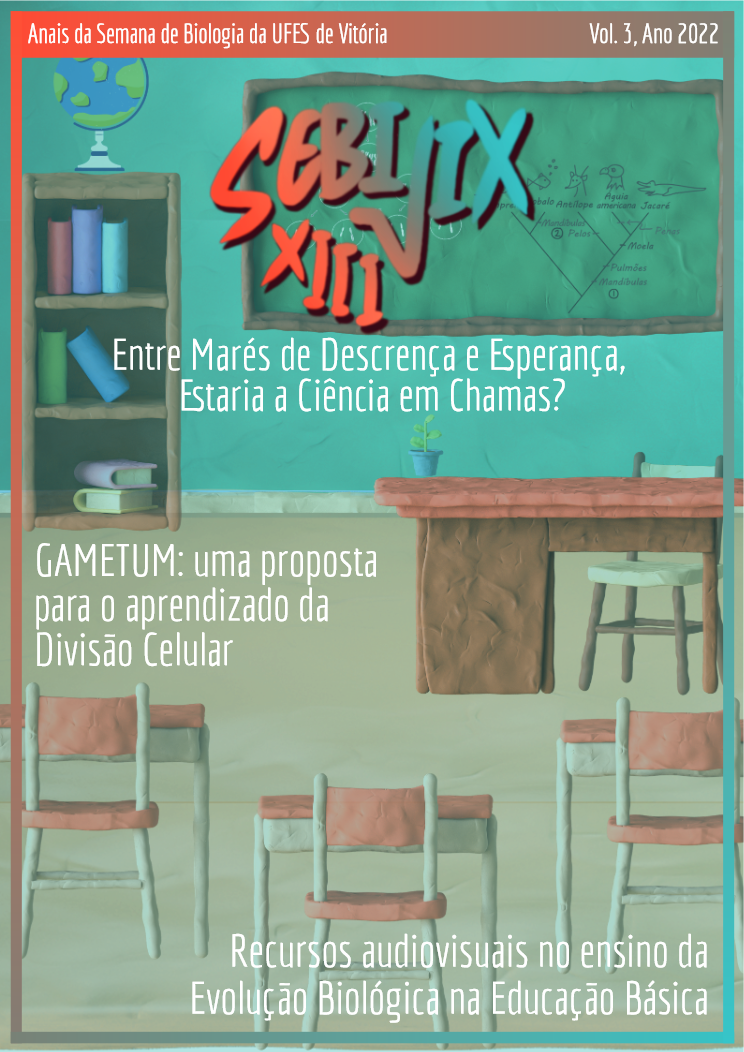
Anais da Semana de Biologia da UFES de Vitória
A Semana de Biologia da UFES de Vitória (SeBiVix) é um evento científico anual que ocorre no formato de Simpósio e cujo público-alvo principal são graduandos e pós-graduandos de Ciências Biológicas e áreas afins. O evento é promovido por alunos de graduação e de pós-graduação ligados ao Departamento de Ciências Biológicas da Universidade Federal do Espírito Santo (UFES).
ISSN Eletrônico: 2763-6305.
-
Anais do Congresso de Processo Civil Internacional
A publicação dos Anais do Congresso de Processo Civil busca a formalização, consolidação e divulgação de pesquisas desenvolvidas na temática do Processo Civil Internacional no âmbito do Programa e mestrado em Direito Processual da Universidade Federal do Espírito Santo e para elém dele, no amplo contexto da investigação hoje existentes em diferentes instituições de ensino brasileiras e estrangeiras.
-

Anais do Seminário de Ciências Sociais PGCS-UFES (ISSN 2525-4901)
Os Anais do Seminário de Ciências Sociais (ISSN 2525-4901) do Programa de Pós-Graduação em Ciências Sociais da Universidade Federal do Espírito Santo (PGCS-UFES) reúnem e divulgam trabalhos apresentados no evento, consolidando um registro público da produção acadêmica debatida a cada edição. O Seminário constitui um espaço de intercâmbio científico, formação e diálogo entre pesquisadoras(es), estudantes e demais participantes, promovendo a circulação de resultados de pesquisa, reflexões teóricas e contribuições metodológicas no campo das Ciências Sociais. Os Anais incluem comunicações, mesas, conferências e outras modalidades previstas na programação, contemplando produções nas áreas de Antropologia, Ciência Política e Sociologia. Ao sistematizar os debates e contribuições do Seminário, esta publicação busca fortalecer a visibilidade das pesquisas vinculadas ao PGCS-UFES e ampliar o acesso ao conhecimento produzido no âmbito da pós-graduação.
-
Anais do Seminário Comunicação e Territorialidades
O principal objetivo dos Anais do Seminário Comunicação e Territorialidades é dar visibilidade a estudos, pesquisas e publicações de mestrandos, doutorandos, professores, realizadores audiovisuais, artistas, profissionais da área, estudantes de iniciação científica e demais pesquisadores que contribuem para reflexões teóricas e metodológicas no campo da Comunicação.
A publicação é derivada do evento é anual e conta com a participação dos professores do Programa de Pós-Graduação em Comunicação e Territórios (PósCom-Ufes), que avaliam os resumos expandidos submetidos. Os Grupos de Trabalho (GT) são espaços para apresentação das comunicações orais, com a posterior publicação dos trabalhos nestes Anais. -
Seminário de Gestão Organizacional Contemporânea - SEGOC
O Seminário de Gestão Organizacional Contemporânea - SEGOC é um evento técnico-científico bienal organizado pelo PPGAdm/UFES que tem por objetivo fomentar diálogos entre comunidade acadêmica e profissionais dos setores público, privado e da sociedade civil, bem como movimentos sociais e pessoas da comunidade em geral.
Para saber mais sobre o XI Seminário de Gestão Organizacional Contemporânea 2021, clique na aba "Apresentação".
-
Anais do Seminário do Estágio Supervisionado em Educação Física
Esse periódico apresenta parte das produções científicas discutidas no evento Seminário do Estágio Supervisionado em Educação Física. Trata-se de um projeto de extensão do Núcleo de Pesquisa e Extensão em Currículos, Culturas e Cotidianos (Nupec3) do Centro de Educação, da Universidade Federal do Espírito Santo.
-
Anais do Seminário Nacional de Educação das Relações Étnico-Raciais Brasileiras
O Seminário Nacional de Educação para Relações Étnico-Raciais Brasileiras é uma iniciativa do Núcleo de Estudos Afro-brasileiros da Universidade Federal do Espírito Santo dos programas de pesquisa, ensino e extensão.
A partir de 2016 será lançado todos os textos que foram submetidos e apresentados.
-
Anais do Seminário Formação Antirracista no Serviço Social
Anais do I Seminário Formação Antirracista no Serviço Social: Marxismo, sujeitos históricos e territórios de resistência, que ocorrerá nos dias 12 e 13 de junho de 2015, na Universidade Federal do Espírito Santo.O seminário tem como objetivo contribuir para a ampliação e o aprofundamento do debate sobre a formação Antirracista no serviço social brasileiro na direção das Diretrizes Curriculares da ABEPSS. A natureza dos trabalhos aqui apresentados versam sobre a Sistematização do trabalho profissional; Relato de Experiência (movimentos sociais e projetos de extensão universitária); resultado de pesquisa e reflexão teórica. -
Anais da Semana Acadêmica de Engenharia Química da UFES – SEQUFES
Os Anais da SEQUFES reúnem trabalhos originais apresentados durante a Semana Acadêmica de Engenharia Química da Universidade Federal do Espírito Santo – Campus de Alegre. O evento, realizado anualmente, visa promover a troca de conhecimentos entre estudantes, pesquisadores e profissionais, abordando temas ligados à inovação, sustentabilidade e inteligência artificial aplicados à engenharia química.
-
Anais do Simpósio de Matemática da UFES
O periódico Anais do Simpósio de Matemática da UFES foi criado com o objetivo de reunir e divulgar os trabalhos apresentados nas edições do Simpósio de Matemática da Universidade Federal do Espírito Santo, promovido pelo Departamento de Matemática. A iniciativa busca preservar a memória do evento e ampliar a divulgação das produções acadêmicas, especialmente aquelas desenvolvidas por estudantes, contribuindo para a circulação do conhecimento e para o fortalecimento da comunidade científica e acadêmica.
-
Semana Capixaba de Engenharia de Alimentos e II Semana Acadêmica de Ciência e Tecnologia de Alimentos
Os Anais da SCEATA constituem uma publicação eletrônica anual que acompanha a realização do evento Semana Capixaba de Engenharia de Alimentos e Semana Acadêmica de Ciência e Tecnologia de Alimentos.
Os anais tem como objetivo documentar e disseminar conhecimento científico gerado durante o evento, oferecendo uma plataforma de visibilidade para pesquisadores, estudantes e profissionais da área de Ciência e Tecnologia de Alimentos.
-
ReMA - Revista de Musicologia Audiotátil
A ReMA - Revista de Musicologia Audiotátil é uma publicação científica bianual que visa promover a difusão de estudos sobre música em toda a sua diversidade de gêneros e modos de produção, a partir da perspectiva da musicologia audiotátil. A revista acolhe pesquisas que articulam história, teoria, análise e práticas musicais, contemplando tanto a música erudita quanto as músicas populares, improvisadas e de tradição oral.
Destinada a pesquisadores, musicólogos, músicos e estudantes, a ReMA publica artigos, resenhas e entrevistas, submetidos ao rigoroso sistema de avaliação por pares (peer review) e formatados segundo o padrão Chicago Manual of Style. Os trabalhos podem ser submetidos em português, inglês, francês ou italiano, em regime de fluxo contínuo ou no âmbito de dossiês temáticos.
Destinada a pesquisadores, musicólogos, músicos e estudantes, a ReMA publica artigos, resenhas e entrevistas, submetidos ao rigoroso sistema de avaliação por pares (peer review) e formatados segundo o padrão Chicago Manual of Style. Os trabalhos podem ser submetidos em português, inglês, francês ou italiano, em regime de fluxo contínuo ou no âmbito de dossiês temáticos.
