Journals
-
Almanaque de Ciência Política
A revista é um projeto editorial do CEDIP, Centro de Estudos em Instituições Políticas e Democracia da UFES, que visa propiciar maior circulação do conhecimento acadêmico por meio da publicação de trabalhos na área de Ciência Política, particularmente trabalhos que tratem das instituições políticas e outras dimensões dos regimes democráticos.
O Almanaque é um periódico eletrônico semestral, com várias seções para a publicação de trabalhos: (a) dossiê temático, (b) artigos de e ensaios de temática livre e (c) resenhas, (d) reedições ou republicações de textos antigos ou de difícil acesso. Eventualmente, o periódico também publicará entrevistas, crônicas e traduções de textos relevantes para a área das ciências sociais.
O periódico adota o sistema de publicação ahead of print, os artigos aprovados e finalizados são imediatamente publicados para agilizar sua circulação.
Aceitam-se artigos escritos em português ou espanhol.
-
Argumentum
Argumentum was a semi-annual publication from 2009 to 2015 and quarterley publication from 2016 to 2024. From 2025 onwards, it has been published continuously.
It is linked to the Postgraduate program in Social Policy at the Federal University of Espírito Santo, created in 2009. It is classified as A1 by Qualis Periódicos. Of an academic nature, it has an interdisciplinary character and publishes research, articles and discussions on the themes of Social Policy, State and Society and their diverse interactions. It also opens up spaces for other relevant works on the theme according to Section Policies.
The mission of the journal is to be a periodical of excellence in the area of Social Service by means of the publication of research, articles and discussions on the themes of Social Policy, State and Society and their diverse interactions. -
Brazilian Journal of Production Engineering
Journal created at the end of 2015 with the UFES Publishing and Publications System. Its creation was due to a demand from the Research Center in Production Systems Management (NPGSP), with the aim of providing scientific and fast access to the academic community in the area of Production Engineering in a transversal and interdisciplinary way.
ISSN: 2447-5580
Year of Fundation: 2015
Frequency: Quarterly
Responsible Editor: Rodrigo Randow de Freitas
Institutional E-mail: revista.bjpe@ufes.br / revistabjpe@gmail.com
Indexing: Sumários / Livre / Index Copernicus / ResearchBIB / EZ3 / Road / Base / WorldCat / Internet Archive / Redib / Oasisbr / Rootindexing / Scilit / Diadorim / Latindex / Dialnet / Dimensions
License:
CC BY 4.0 DEED
Atribuição 4.0 Internacional
-
Cadernos de Astronomia
A revista Cadernos de Astronomia é uma publicação semestral do Núcleo Cosmo-Ufes da Universidade Federal do Espírito Santo e que conta também com recursos humanos do Centro Brasileiro de Pesquisas Físicas e da Universidade Federal de Ouro Preto (vide o Corpo Editorial).
Propõe-se a publicar artigos destinados à divulgação científica, história da ciência, ensino e pesquisa em astronomia e áreas correlatas. O objetivo é tornar acessível a um amplo público, que inclui estudantes secundários, graduandos e simpatizantes da área, o conhecimento científico relacionado à astronomia, cosmologia e gravitação.
Possuindo acesso totalmente gratuito, cada número dedica uma seção inteira a um tema específico, onde especialistas nacionais e internacionais discutem em detalhes aspectos qualitativos e quantitativos do tópico em questão.
A partir de 2023 os números semestrais dos CdA serão publicados nos meses de Março e Setembro. Cada um desses números possuem datas limite para receber submissões:
- Números publicados em Março - Submissões feitas até 10 de Janeiro;
- Números publicados em Setembro - Submissões feitas até 1º de Julho.
Submissões recebidas após as datas limite acima não terão garantias de que, uma vez aceitas para publicação, façam parte do próximo número. Não sendo publicadas no próximo número, elas são automaticamente programadas para publicação no número subsequente a ser lançado.
-
Caderno Eletrônico do Núcleo de Estudos e Pesquisas em Alfabetização, Leitura e Escrita do Espírito Santo
Reunir, em plataforma única, as edições dos Anais do Simpósio de Alfabetização Leitura e Escrita do Espírito que já consta, em 2024, de sua 5 edição.
-

Cadernos de Pesquisa em Educação
A Revista Cadernos de Pesquisa em Educação, editada pelo Programa de Pós-Graduação em Educação (PPGE) do Centro de Educação (CE) da Universidade Federal do Espírito Santo (UFES), tem por objetivos promover a divulgação da produção acadêmica sobre a educação nas suas múltiplas relações, além de contribuir para debates de questões relacionadas com o contexto educacional em suas diferentes dimensões.
-
Caderno Eletrônico de Ciências Sociais
O Cadecs é um projeto editorial do Programa de Pós-Graduação em Ciências Sociais da Universidade Federal do Espírito Santo (Ufes), que visa propiciar maior circulação do conhecimento acadêmico por meio da publicação de trabalhos nas áreas de sociologia, política e antropologia – ou em suas interfaces.
O periódico acadêmico-científico é publicado semestralmente em formato eletrônico, com três seções básicas para a publicação de trabalhos: (a) dossiê temático, (b) artigos de temática livre e (c) resenhas. Eventualmente, o periódico também publicará entrevistas, ensaios e traduções de textos relevantes para a área das ciências sociais.
-
Diálogos sobre a Modernidade
A revista Diálogos sobre a Modernidade foi criada em 2018 com o objetivo de reunir investigadores brasileiros dedicados a refletir sobre o Reino português, nos seus mais diversos aspectos, durante a Época Moderna. Valorizando a pesquisa empírica e o diálogo com as metodologias e as abordagens contemporâneas, propõe-se a descortinar temáticas já consagradas pela historiografia luso brasileira sob diferentes prismas, bem como introduzir novos objetos na cena da produção do conhecimento histórico. Tendo como eixo o Estado, seus trabalhos vêm contemplando uma gama de problemáticas que, para além da história política, incluem as trajetórias e biografias, as redes de sociabilidade, as novas sensibilidades cortesãs, a produção de discursos e narrativas diversas, a história intelectual e institucional, dentre outros recortes.
-

Desafios do Processo Journal
Desafios do Processo is a journal published by the Post Graduate Program in Procedural Law at the Federal University of Espírito Santo, with a quarterly frequency. Desafios do Processo are intended for a multidisciplinary discussion on Procedural Law. Open Journal Systems (OJS 3.3.0.8) is used, a free code system for managing and publishing journals, developed with support and distribution by the Public Knowledge Project under the GNU General Public License.
-
Dimensões
Dimensões – Revista de História da Ufes é um veículo de divulgação científica de periodicidade semestral voltado para a publicação de artigos inéditos e resenhas de autoria de mestres, doutorandos e doutores. Os artigos são agrupados em dossiês ou temas livres. A revista se encontra classificada como A1 no Qualis de periódicos elaborado pela Capes (2021-2024).
-
Farol
The Farol Journal is a biannual publication of the Graduate Program in Arts at the Federal University of Espírito Santo. As an academic initiative, connected to the field of Arts / Visual Arts, the journal is open to texts that aim to discuss the problem of formation and artistic, critical and historiographic assigned for the visual arts. It also strives to provide research experiences, which are open to the fields of knowledge, between consensus and dissent, in a contemporary context.
-
Fernão: Revista do Núcleo de Estudos e Pesquisas da Literatura do Espírito Santo (Neples)
A Revista Fernão é uma publicação do Núcleo de Estudos e Pesquisas da Literatura do Espírito Santo do Programa de Pós-Graduação em Letras do Centro de Ciências Humanas e Naturais da Universidade Federal do Espírito Santo. O título da revista, Fernão, foi uma grata sugestão de Reinaldo Santos Neves, cujo objetivo é homenagear o escritor Renato Pacheco (Vitória, 1928-2004), autor de Cantos de Fernão Ferreiro e outros poemas heterônimos (1985).
Quatro seções (a que outras poderão ser acrescentadas excepcionalmente) compõem o periódico:
- Portfólio: publica artigos sobre a obra de autor a ser indicado nas chamadas.
- Memória: publica (por parte de seus editores e/ou de colaboradores) propostas de reedição de estudos antigos e fora de circulação, de temática diversa, na área de Estudos Literários voltados para a literatura do Espírito Santo.
- Seleta: publica (por parte de seus editores e/ou de colaboradores) recolhas ou antologias de textos literários antigos, manuscritos, editados e inéditos, de diferentes épocas da literatura do Espírito Santo.
- Resenha: publica comentários críticos a respeito de livros literários de autores nascidos ou residentes no Espírito Santo, ou de livros críticos e historiográficos sobre a literatura do Espírito Santo, desde que publicados de 2016 em diante.
Entenda-se como Literatura do Espírito Santo, para fins de publicação na Fernão, tanto aquela feita por autor(a) natural do Espírito Santo que, aqui ou fora daqui, tenha produzido no todo ou em parte a sua obra, como o(a) que, natural de outros estados ou até mesmo de países estrangeiros, tenha entre nós produzido obra literária.
-

Geografares
Geografares is affiliated with the Graduate Program in Geography and the Department of Geography at the Federal University of Espírito Santo. In 2025, the journal marked its 25th anniversary, publishing 40 issues. Up to issue 7, it appeared only in print, although all issues are now available in PDF format on the journal’s website. Beginning with issue 8, it became a digital journal. Full automation of the submission system, however, was only implemented with issue 9, published in the second half of 2010. From that point on, journal management and publication were conducted digitally via the Open Journal Systems platform. The journal publishes two issues per year. It accepts individual articles and may also organize dossiers on specific themes.
Geografares includes sections for articles, interviews, research notes, reviews, and translations. The topics it covers span both “physical” and “human” geography. It also welcomes texts from other fields that engage with geography, especially through territorial and spatial approaches. The journal’s main geographical focus is Brazil and Latin America. Its primary language is Portuguese, but it also accepts submissions in English, Spanish, and French.
All published articles are assigned a DOI.
-
Health and Biosciences
The journal Health and Biosciences, created in 2020, is published quarterly and continuously. It aims to publish articles related to the areas of knowledge of Pharmaceutical, Biological, Health Sciences and Education. ISSN: 2675-276X
-
Journal of Ubiquitous Music
The Journal of Ubiquitous Music (j-ubimus) is oriented towards the advancement of knowledge on ubiquitous music practices and research. The periodical is hosted by the Arts Graduate Program of the Federal University of Espirito Santo. This editorial project is also linked to the Ubiquitous Music Symposium, from which selected articles may feature in expanded forms. Each volume of the j-ubimus is designed in such a way to accommodate a centrepiece article complemented by other articles which make reference and/or comment on the topics covered by it. All articles are put through a thorough peer review process.
The journal is published in an open-access format, indexed and aligned to the requirements of Scielo and similar open-science repositories. We aim for a multilingual journal with a single language per volume, with english-translated abstracts. The j-ubimus also proposes to support alternative presentation formats, reflecting not only the advances in the contents of ubimus research but also impacting the methods for delivery and presentation.
-
Cultura e Sul Global
Sobre a Revista Cultura e Sul Global
A Revista Cultura e Sul Global está inserida no Núcleo de Pesquisa Diversidade e Descolonização (NUDES), fundado em 2008 e coordenado pela Profª. Drª. Julia Almeida e pelo Profº. Drº. Luis Eustáquio Soares, ambos lotados no Departamento de Línguas e Letras (DLL) da Universidade Federal do Espírito Santo (UFES), o que pressupõe, se defendêssemos unidades discursivas autônomas, a seguinte interrogação: por que uma revista acadêmica referenciada na cultura, se seu lastro expressivo é o campo da literatura e seu núcleo institucional é o Programa de Pós-Graduação em Letras (PPGL) da UFES?
A reposta a apresentamos em interface com Antonio Gramsci de Literatura e vida nacional (1978), que assim se posicionou a respeito:
“É evidente que, para ser exato, deve-se falar de luta por uma nova cultura e não para uma nova arte” (GRAMSCI, 1978, p. 8), pois “a poesia não gera poesia; a partenogênese não existe” (GRAMSCI, 1978, p. 10) e, por extensão, “a literatura não gera literatura” (GRAMSCI, 1978, p. 10).
Compartilhamos com a posição lúcida e realista de Gramsci. A arte e, assim, a literatura (também) não se autoproduzem e são sempre variações estéticas da cultura, que pode ser a cultura dominante do sistema de poder da era do capitalismo mundial integrado, imposta (também por meio do soft power) sobretudo contra os países do Sul Global pelo Ocidente, liderado por seu Superego e Id imperialistas ao menos desde o fim da Segunda Guerra Mundial, EUA; ou a cultura a um tempo da resistência e da alternativa cujo sujeito coletivo não é outro, como potência ascendente do trabalho revolucionário da emancipação da humanidade, senão este: a Maioria Global, desafio histórico irrecusável e necessário do novo senso comum cultural de libertação das formas de ser e estar do conteúdo do trabalho soberano da autossuficiência criativa e polifônica dos povos, antes de tudo que viveram e vivem a tragédia sem fim do jugo orquestrado pela racista oligarquia financeira euro-norte-americana.
E o que é cultura? Adotamos como referência o teórico Raymond Williams. Em Marxismo y literatura (1988) escreveu, a propósito, que a cultura se define como “um processo social constitutivo, criador de estilos de vida específicos e diferentes” (WILLIAMS, 1988). Em Materialismo e cultura argumentou que "a cultura são seus meios de produção materiais orientados [...] para a apropriação geral de todas as forças reais da produção” (WILLIAMS, 2011, p.350).
Defendemos que no período da indústria cultural monopolizada por Estados Unidos, a cultura se tornou uma empresa mundial de produção de subjetividades, compreendidas como o primeiro pilar das forças materiais das formações sociais capitalistas, por conformar a mentalidade, sob a forma de estilos de vida, tanto de quem decide quanto de quem é decidido; tanto dos agentes dos acontecimentos que afetam toda a humanidade, quanto da servidão voluntária que os replica, à direita e a (fake) esquerda globalista liberal, encarnando-os no corpo, na totalidade do ser social, em sua versão unipolar.
E, com Gramsci, pelo que devemos lutar? Sim, pelo complexo estratégico-cultural emancipatório do direito à soberania plena de cada país, orquestrando-se de modo multipolar, poliédrico, em sua dimensão popular, o que significa, autossuficiência tecnológico-cultural, com a radical democracia criativa na contramão do capitalismo de nuvem, a fim de produzirmos o socialismo do ecossistema da inteligência geral impulsionado pela contribuição infinita da criatividade comum, em tempo real, com uma humanidade não alienada, porque toda sua, para si, porque de quaisquer.
Sobre as seções temática da Revista Cultura e Sul Global serão:
- Dossiê temático relativo a cada edição da Revista Cultura e Sul Global, apto a receber contribuições, sob a forma de artigos, de todas as áreas de conhecimento que contemplem a proposta apresentada no item anterior.
- Literatura e outras artes, que aceitará artigos sobre literatura e outras artes que estejam relacionas com a transversalidade cultural-estratégica do Sul Global;
- Cultura popular, que publicará diferentes gêneros textuais com a temática sobre a cultura popular do Sul Global;
- Imperialismo norte-americano e indústria cultural, que publicará artigos sobre o monopólio da indústria cultural mundial realizado pelos trustes estadunidenses, incluindo os relativos às Big Techs;
- Educação e política, que aceitará artigos sobre a relação entre educação e política, tendo como eixo os transcendentais desafios da Maioria Global.
-
Latin American Journal of Energy Research
A Lajer - Latin American Journal of Energy Research é uma revista científica de acesso aberto, completamente gratuita em todas suas etapas, com periodicidade quadrimestral (janeiro-abril, maio-agosto e setembro-dezembro), e-ISSN 2358-2286 e DOI 10.21712.
A Lajer tem classificação B2 nas áreas: Interdisciplinar, Engenharias I, Engenharias IV, Arquitetura, Urbanismo e Design e Ciências Agrárias I, quadriênio 2017-2020, Qualis Periódicos da Capes.
São publicados artigos científicos originais correlatos com o tema de energia abordando as temáticas: a) Petróleo e Gás Natural, b) Geologia e Geofísica, c) Engenharias, d) Eficiência Energética, e) Energias de Baixo Carbono (renováveis), e f) Transição Energética.
A submissão, e todas as etapas, é online e realizado via a plataforma OJS/PKP. Em no máximo 15 dias os autores são informados sobre o status da submissão efetuada.
Após a avaliação, os artigos aceitos são enquadrados no formato Lajer com atribuição do DOI.
A revista está cadastrada no Portal de Periódicos Capes e em diversas bases indexadoras.
A escrita abreviada é "Lat. Am. J. Energy Res." (Fonte: Paperpile).
-
Kiri-Kerê - Pesquisa em Ensino (Research in Teach)
Kiri-Kerê – Pesquisa em Ensino é uma publicação do Programa de Pós-Graduação em Ensino na Educação Básica (PPGEEB-UFES) dedicada à área de Ensino com uma abordagem interdisciplinar. Busca estimular a divulgação de resultados de investigação científica inéditos. A Revista procura atingir um público formado por pesquisadores, alunos e professores em todos os níveis.
-
PERcursos Linguísticos
A revista eletrônica PERcursos Linguísticos é uma publicação de acesso aberto do Programa de Pós-Graduação em Linguística da Universidade Federal do Espírito Santo (UFES) e tem como objetivo divulgar resultados de pesquisas desenvolvidas por pesquisadores, brasileiros e estrangeiros, que se dedicam aos estudos linguísticos em diferentes níveis, sejam eles doutores, pós-graduandos, graduados ou alunos de Iniciação Científica.
Atualmente a revista está avaliada no Qualis Capes como B3.
ISSN: 2236-2592A revista está indexada em: LATINDEX, Diadorim, JOURNALSEEKER, SUMÁRIOS.ORG, Journals4free, SHERPA/RoMEO, Google Scholar/Metrics, WorldCat.org,EZB-Elektronische Zeitschriftenbibliothek, ERIHplus, CIRC, CCG / IBT - UNAM, Vérsila-Biblioteca Digital, REDIB , ZDB , JURN, DOAJ , Periódicos.Capes, The Linguist List, BASE, I2OR, Europub , MLA - Modern Language Association , Scilit , ROAD
-
Pró-Discente
A Pró-Discente é uma revista acadêmico-científica mantida por alunas e alunos de Programas de P´ós-Graduação, tendo sua sede localizada no Programa de Pós-Graduação em Educação da Universidade Federal do Espírito Santo. A Pró-Discente publica artigos, ensaios, entrevistas e resenhas unicamente na área de educação em suas múltiplas relações.
-
Poetizar. Revista de Contos, Crônicas e Poesias
A Poetizar, Revista de Contos, Crônicas e Poesias é um projeto de extensão da Universidade Federal do Espírito Santo - Campus São Mateus, que abre espaço para publicação de contos, crônicas e poesias escritas por você, com objetivo de divulgá-los para o público-alvo que acessa a revista.
Crie sua arte e venha Poetizar conosco!
Curta Nossa fanpage: Revista poetizar
Instagram: revista_poetizar
Contato: revistapoetizar@gmail.com
.png)
-

Ágora Journal
Journal published by Graduation Program of History of Federal University of Espírito Santo as of 2005, by system of Ahead of Print. ISSN 1980-0096. Open Journal Systems - OJS is a free open source system for the administration and publication of journals, developed with the support and distribution by the Public Knowledge Project under the GNU General Public License. Access to the journal is open to the public and free, with no fees for reading articles or submitting work. The evaluation of submitted works follows the rule of double anonymous (blind) evaluation by peers.
-
Revista do Arquivo Público do Estado do Espírito Santo
A Revista do Arquivo Público do Estado do Espírito Santo tem por objetivo fomentar a pesquisa em História, Arquivologia, Ciências Sociais, Geografia, Biblioteconomia, como áreas prioritárias da nossa linha editorial. Para isso, buscamos estabelecer parcerias com o meio acadêmico, no sentido de modernizar nossas atividades enquanto órgão do Governo do Estado do Espírito Santo, vinculado à Secretaria de Estado da Cultura, no que diz respeito às responsabilidades legais no âmbito da Gestão Documental. Além disso, visa incentivar a utilização do nosso acervo como importante fonte para os estudos sobre a História do nosso Estado, bem como difundir e compartilhar o conhecimento produzido.
-
Brazilian Journal of Health Research
The Brazilian Journal of Health Research (RBPS), is a publication of the Health Sciences Center of the Federal University of Espírito Santo, has the mission of publishing manuscripts of high technical-scientific level that contribute, directly or indirectly, to the promotion of the knowledge in the areas of Health Sciences. The RBPS is intended for the quarterly publication of scientific manuscripts, including editorials, original articles, review articles, case reports and experience reports, referring to subjects and studies of technical-scientific interest in the areas of Health Sciences.
You can access the "Guidelines for Authors" at https://periodicos.ufes.br/rbps/about/submissions
Access the template to submit your manuscript to RBPS. Follow it strictly. Also insert the other declarations and cover sheets.
For contact, send an email to rbps.ccs@ufes.br.
-
Revista (Con)Textos Linguísticos
Biannual open access and free periodical of the Graduate Program in Linguistics at the Federal University of Espírito Santo (Ufes) - Vitória, ES, Brazil. e-ISSN 1982-291X
-

Revista do Colóquio
The PPGA-UFES Art and Research Colloquium Magazine, or Revista do Colóquio, appears as a space for publishing articles, experience reports and visual essays carried out in the field of Arts and related areas. Open to receive proposals in Portuguese, Spanish, French and English, Coloquio defends the strengthening of an academic community through the intersection of ideas and the maintenance of a critical view on the production of Art.
-
Revista de Estud(i)os sobre Fichte / Rivista di studi su Fichte
Founded in 2010, the Journal of Fichte Studies has been affiliated with PPGFIL/UFES (Brazil) since 2025. A biannual scholarly journal, it is dedicated to studies on Johann Gottlieb Fichte, his historical and intellectual context, and his principal interlocutors, with a particular focus on Latin American, Iberian, and Italian perspectives. The journal publishes original articles in Spanish, Portuguese, English, and Italian. All submissions undergo a double-blind peer review process, which ensures the mutual anonymity of authors and reviewers; the review procedure is managed through the OJS (Open Journal Systems) platform, in accordance with criteria of transparency, impartiality, and scientific quality. The journal is published exclusively in digital format, with open access. In line with the principles of open access, the journal guarantees free access to its content, in the belief that the free dissemination of scientific research contributes to improving the exchange of knowledge on a global level.
-
Revista Educação Especial em Debate
A Revista Educação Especial em Debate é um periódico eletrônico e semestral do Núcleo de Ensino, Pesquisa e Extensão em Educação Especial - NEESP, vinculado ao Centro de Educação da Universidade Federal do Espírito Santo - Ufes. Este periódico, tem como proposta publicar artigos - oriundos de pesquisas e práticas pedagógicas -, resenhas de livros, dossiês e traduções inéditas na área de Educação Especial de autores brasileiros e estrangeiros. A revista tem o Português (Brasil) como idioma principal, mas os textos podem também ser escritos em inglês, espanhol e francês.
-
Guará Journal
Revista Guará (e-ISSN: 2316-2007 / ISSN: 2446-9491) is an interdisciplinary open access scientific journal linked to the Extension Office of the Federal University of Espírito Santo (Ufes), dedicated to the continuous publication of studies related to university extension. The journal promotes the dissemination of research, analyses, and experience reports that articulate extension, teaching, and research, contributing to social development and strengthening the dialogue between university and society. Ranked as A1 in the CAPES Qualis system (2021–2024), it adopts practices aligned with Open Science and international standards of scholarly communication.
-
Management and Connections Journal
REGEC is dedicated to publishing original and unpublished contributions, particularly articles and bibliographic notes in the following thematic areas:
- Organizational Studies
- Operations and Logistics
- Strategy in Organizations
- Market and Consumption
- Corporate Finance
- People Management
- Public and Governmental Administration
- Innovation
- Social and Environmental Management
-

Revista Latino-Americana de Estudos Científicos
A RELAEC - Revista Latino-Americana de Estudos Científicos é um periódico interinstitucional e de fluxo continuo que aceita a colaboração livre de textos inéditos, de reconhecido interesse acadêmico e atualidade das ciências na forma de artigos, ensaios bibliográficos e resenhas.
-
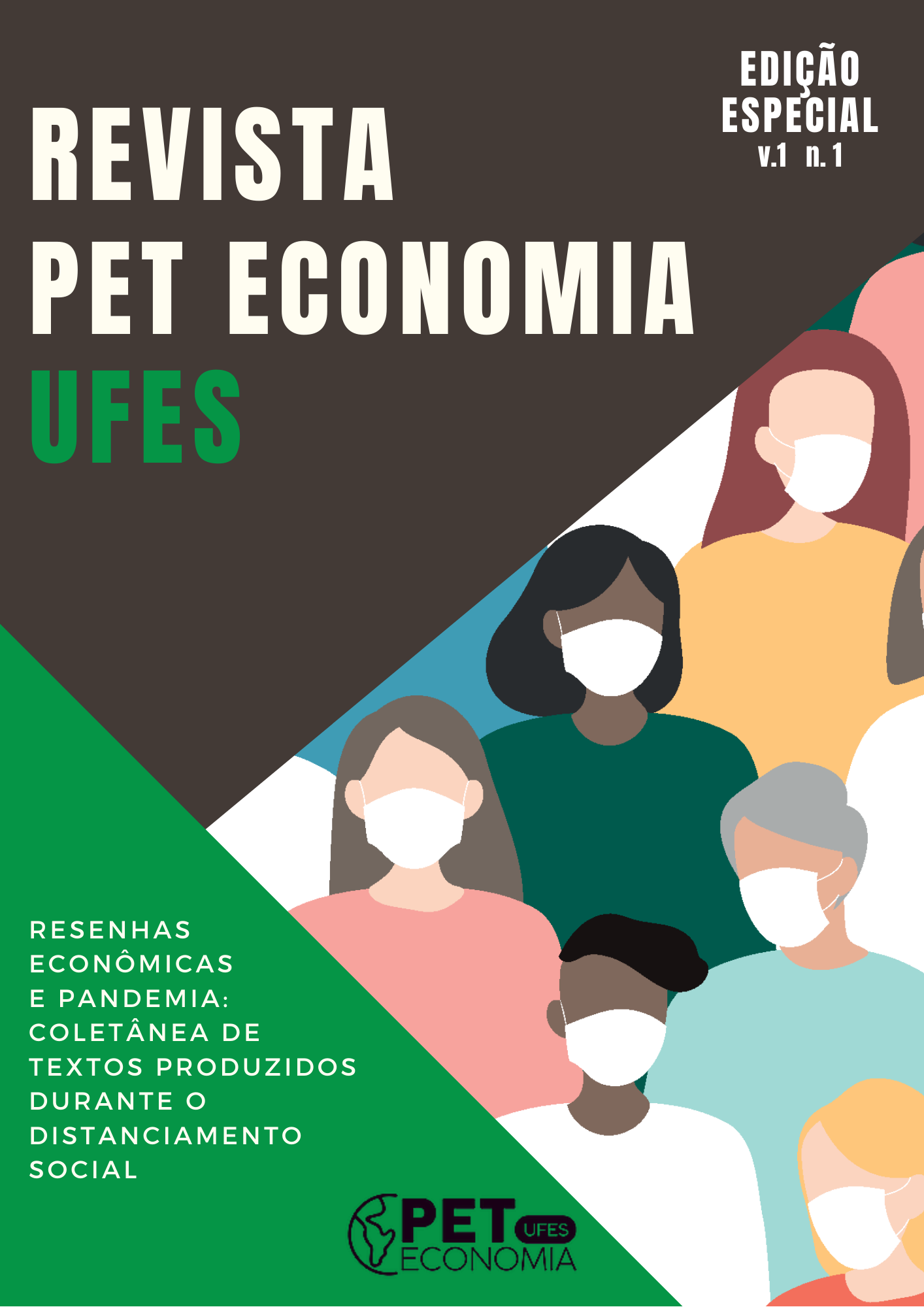
Revista Pet Economia UFES
Revista destinada a dar publicidade às atividades dos petianos e petianas do Programa de Educação Tutorial do Curso de Ciências Econômicas da UFES - PET Economia UFES, bem como às experiências de outros programas PET do país, aos trabalhos acadêmicos e científicos, projetos de iniciação cientfica, resenhas críticas, artigos de opinião e entrevistas com convidados, com a finalidade de difundir e estimular o ensino, a pesquisa e a extensão universitários.
-
Romanitas - Revista de Estudos Grecolatinos
Romanitas – Revista de Estudos Grecolatinos was born, at first, from a finding: the visible lack, in Brazil, of journals of an interdisciplinary nature committed to the dissemination of intellectual production around Greek and Roman society, a reality in sharp contrast with the increase in the interest aroused, in the last decades, by Classical Studies, as it is possible to conclude based on the growing number of researchers involved, at all levels of academic formation, with research projects on the past of Greece and Rome, which motivated the team of Laboratory of Studies on the Roman Empire/Section ES, linked to the History Postgraduate Program of the Universidade Federal do Espírito Santo (Ufes), to found the journal.
-
Sofia
A Revista Sofia (ISSN 2317-2339, classificada como A2 no Qualis 2021-2024), vinculada ao Programa de Pós-Graduação em Filosofia da Universidade Federal do Espírito Santo (UFES), publica artigos originais, traduções e resenhas na área de Filosofia, assinados por professores e pesquisadores que sejam doutorandos ou possuam título de mestre ou doutor. Dessa forma, busca contribuir para o debate na comunidade filosófica nacional e internacional.
A Revista é publicada semestralmente, com edições previstas para julho e dezembro. Seu conteúdo inclui dossiês temáticos, artigos submetidos em fluxo contínuo, traduções e resenhas. Serão aceitos trabalhos originais em português, inglês, francês, espanhol, italiano ou alemão.
-

Simbiótica. Revista Eletrônica
Simbiótica is a journal linked to the Nucleus of Indicial Studies and Research (NEI-UFES) and the Graduate Program in Social Sciences at the Federal University of Espírito Santo (UFES), Vitória, Brazil. Rooted in the Social Sciences field, Simbiótica aims to traverse and interrelate diverse knowledge areas from a complexity perspective.
We accept only original manuscripts that have not been submitted simultaneously to other journals or scientific publication outlets. All submissions undergo plagiarism screening and are subject to a double-blind peer review process conducted by both internal reviewers (Scientific Board) and external ad hoc reviewers.
We publish works written in Portuguese, Spanish, and English. Authors may submit articles, essays, ethnographies, reviews, and interviews.
Please explore our publications:
http://periodicos.ufes.br/simbiotica/about/submissionsFor inquiries, contact: revistasimbiotica@gmail.com
Simbiótica. Revista Eletrônica is licensed under CC BY-NC 4.0© 2

-
Temporalis
Temporalis is a magazine created in 2000, with semi-annual publication, edited by the Brazilian Association of Teaching and Research in Social Service (ABEPSS) is intended for the publication of scientific papers on current and relevant topics in the Social Service and related areas covering teaching, research, extension and professional practice. It has A1 classification by Qualis-Periódicos. The Journal is an refereed, indexed journal of national and international circulation.
-
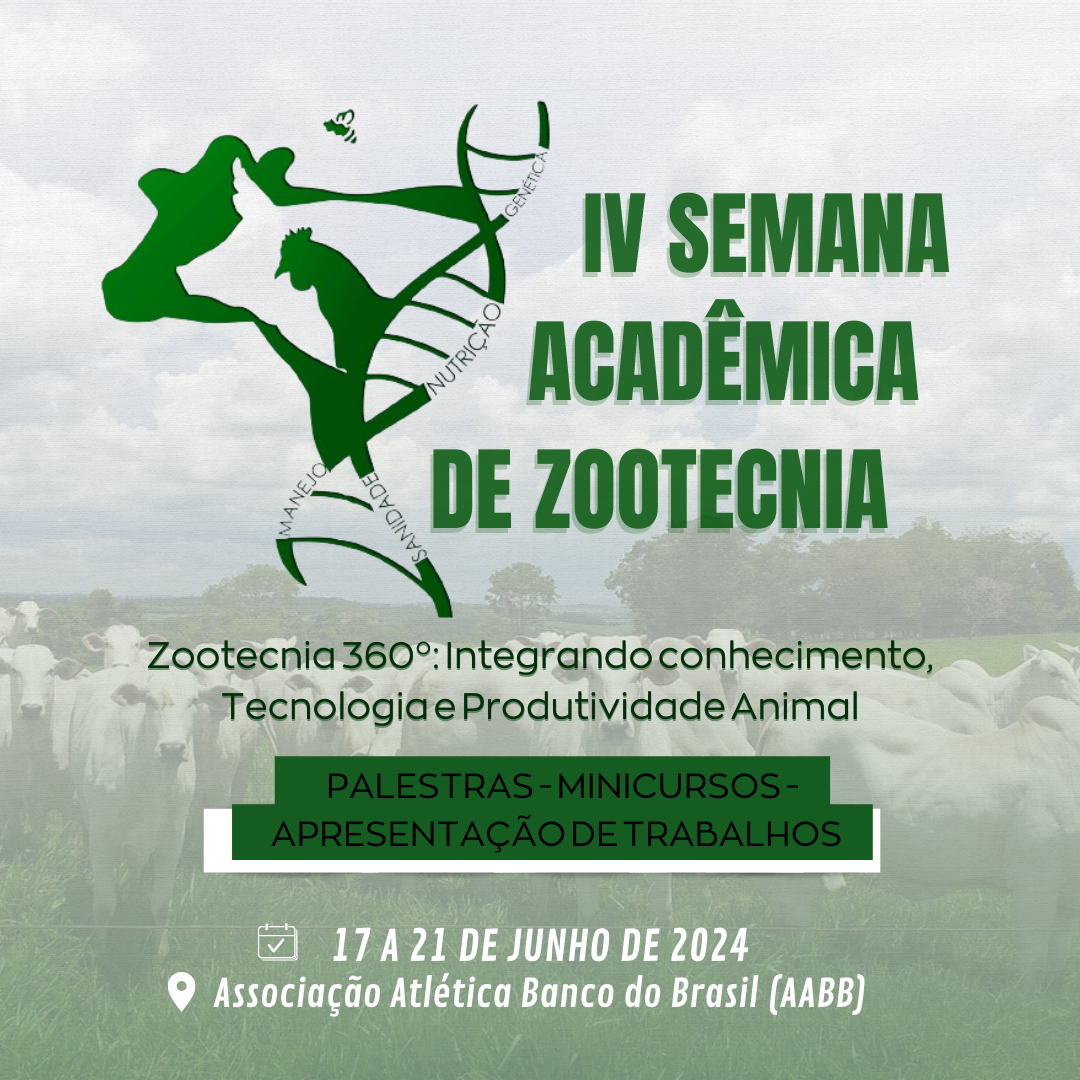
Anais da Semana Acadêmica de Zootecnia CCAE/UFES - SEAZOO
A Semana Acadêmica de Zootecnia da UFES de Alegre é um encontro científico anual, direcionado principalmente a estudantes de ensino técnico, graduação e pós-graduação em Zootecnia e áreas relacionadas. Este evento é organizado por alunos da Zootecnia, todos associados ao Departamento de Zootecnia da Universidade Federal do Espírito Santo (UFES).
Durante a semana acadêmica, são abordados tópicos relevantes que englobam a criação, nutrição, manejo e melhoramento genético de animais destinados à produção de alimentos. Através de palestras, apresentações de pesquisas e mesas-redondas, os participantes possuem a oportunidade de aprofundar seus conhecimentos nas áreas de nutrição animal, tecnologias aplicadas à produção agropecuária e questões relacionadas à segurança alimentar.
A SEAZOO se configura como um espaço propício para a troca de ideias, networking e disseminação do conhecimento científico no campo da Zootecnia. Este evento proporciona uma plataforma valiosa para estudantes e profissionais que buscam se atualizar sobre as mais recentes pesquisas e avanços na área, contribuindo assim para a formação de profissionais aptos a enfrentar os desafios do setor agropecuário no futuro.
-
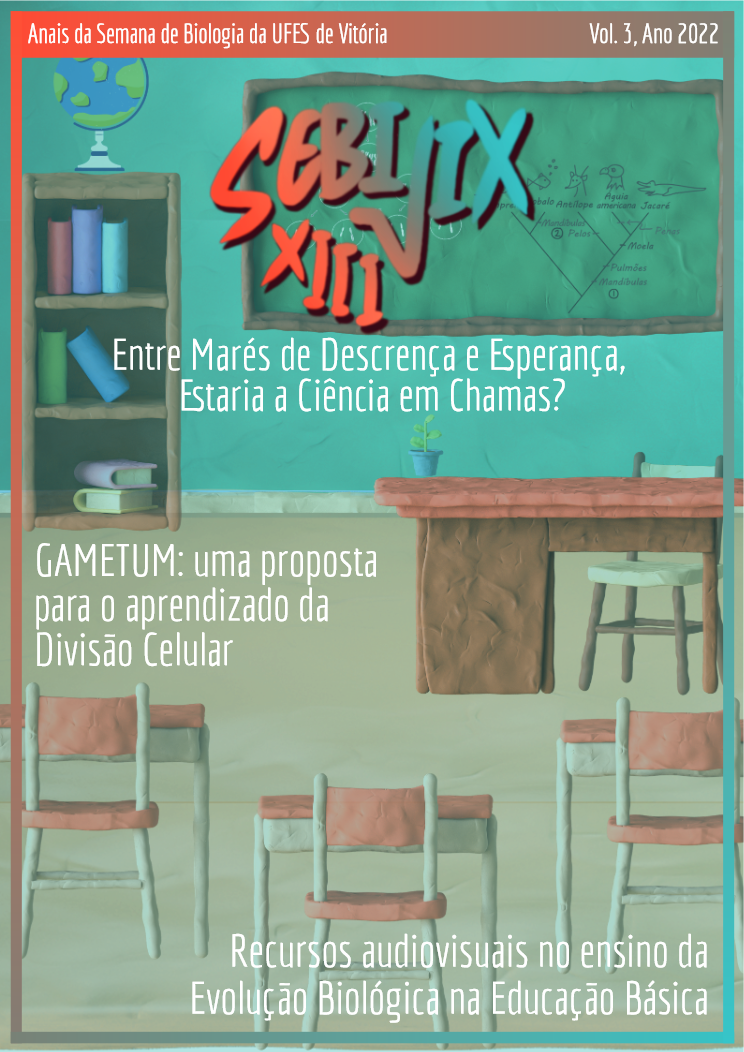
Anais da Semana de Biologia da UFES de Vitória
A Semana de Biologia da UFES de Vitória (SeBiVix) é um evento científico anual que ocorre no formato de Simpósio e cujo público-alvo principal são graduandos e pós-graduandos de Ciências Biológicas e áreas afins. O evento é promovido por alunos de graduação e de pós-graduação ligados ao Departamento de Ciências Biológicas da Universidade Federal do Espírito Santo (UFES).
ISSN Eletrônico: 2763-6305.
-
Anais do Congresso de Processo Civil Internacional
A publicação dos Anais do Congresso de Processo Civil busca a formalização, consolidação e divulgação de pesquisas desenvolvidas na temática do Processo Civil Internacional no âmbito do Programa e mestrado em Direito Processual da Universidade Federal do Espírito Santo e para elém dele, no amplo contexto da investigação hoje existentes em diferentes instituições de ensino brasileiras e estrangeiras.
-
Anais do Seminário de Ciências Sociais PGCS-UFES (ISSN 2525-4901)
Os Anais do Seminário de Ciências Sociais (ISSN 2525-4901) do Programa de Pós-Graduação em Ciências Sociais da Universidade Federal do Espírito Santo (PGCS-UFES) reúnem e divulgam trabalhos apresentados no evento, consolidando um registro público da produção acadêmica debatida a cada edição. O Seminário constitui um espaço de intercâmbio científico, formação e diálogo entre pesquisadoras(es), estudantes e demais participantes, promovendo a circulação de resultados de pesquisa, reflexões teóricas e contribuições metodológicas no campo das Ciências Sociais. Os Anais incluem comunicações, mesas, conferências e outras modalidades previstas na programação, contemplando produções nas áreas de Antropologia, Ciência Política e Sociologia. Ao sistematizar os debates e contribuições do Seminário, esta publicação busca fortalecer a visibilidade das pesquisas vinculadas ao PGCS-UFES e ampliar o acesso ao conhecimento produzido no âmbito da pós-graduação.
-
Anais do Seminário Comunicação e Territorialidades
O principal objetivo dos Anais do Seminário Comunicação e Territorialidades é dar visibilidade a estudos, pesquisas e publicações de mestrandos, doutorandos, professores, realizadores audiovisuais, artistas, profissionais da área, estudantes de iniciação científica e demais pesquisadores que contribuem para reflexões teóricas e metodológicas no campo da Comunicação.
A publicação é derivada do evento é anual e conta com a participação dos professores do Programa de Pós-Graduação em Comunicação e Territórios (PósCom-Ufes), que avaliam os resumos expandidos submetidos. Os Grupos de Trabalho (GT) são espaços para apresentação das comunicações orais, com a posterior publicação dos trabalhos nestes Anais. -
Seminário de Gestão Organizacional Contemporânea - SEGOC
O Seminário de Gestão Organizacional Contemporânea - SEGOC é um evento técnico-científico bienal organizado pelo PPGAdm/UFES que tem por objetivo fomentar diálogos entre comunidade acadêmica e profissionais dos setores público, privado e da sociedade civil, bem como movimentos sociais e pessoas da comunidade em geral.
Para saber mais sobre o XI Seminário de Gestão Organizacional Contemporânea 2021, clique na aba "Apresentação".
-
Anais do Seminário do Estágio Supervisionado em Educação Física
Esse periódico apresenta parte das produções científicas discutidas no evento Seminário do Estágio Supervisionado em Educação Física. Trata-se de um projeto de extensão do Núcleo de Pesquisa e Extensão em Currículos, Culturas e Cotidianos (Nupec3) do Centro de Educação, da Universidade Federal do Espírito Santo.
-
Anais do Seminário Nacional de Educação das Relações Étnico-Raciais Brasileiras
O Seminário Nacional de Educação para Relações Étnico-Raciais Brasileiras é uma iniciativa do Núcleo de Estudos Afro-brasileiros da Universidade Federal do Espírito Santo dos programas de pesquisa, ensino e extensão.
A partir de 2016 será lançado todos os textos que foram submetidos e apresentados.
-
Anais do Seminário Formação Antirracista no Serviço Social
Anais do I Seminário Formação Antirracista no Serviço Social: Marxismo, sujeitos históricos e territórios de resistência, que ocorrerá nos dias 12 e 13 de junho de 2015, na Universidade Federal do Espírito Santo.O seminário tem como objetivo contribuir para a ampliação e o aprofundamento do debate sobre a formação Antirracista no serviço social brasileiro na direção das Diretrizes Curriculares da ABEPSS. A natureza dos trabalhos aqui apresentados versam sobre a Sistematização do trabalho profissional; Relato de Experiência (movimentos sociais e projetos de extensão universitária); resultado de pesquisa e reflexão teórica. -
Anais da Semana Acadêmica de Engenharia Química da UFES – SEQUFES
Os Anais da SEQUFES reúnem trabalhos originais apresentados durante a Semana Acadêmica de Engenharia Química da Universidade Federal do Espírito Santo – Campus de Alegre. O evento, realizado anualmente, visa promover a troca de conhecimentos entre estudantes, pesquisadores e profissionais, abordando temas ligados à inovação, sustentabilidade e inteligência artificial aplicados à engenharia química.
-
Anais do Simpósio de Matemática da UFES
O periódico Anais do Simpósio de Matemática da UFES foi criado com o objetivo de reunir e divulgar os trabalhos apresentados nas edições do Simpósio de Matemática da Universidade Federal do Espírito Santo, promovido pelo Departamento de Matemática. A iniciativa busca preservar a memória do evento e ampliar a divulgação das produções acadêmicas, especialmente aquelas desenvolvidas por estudantes, contribuindo para a circulação do conhecimento e para o fortalecimento da comunidade científica e acadêmica.
-
Semana Capixaba de Engenharia de Alimentos e II Semana Acadêmica de Ciência e Tecnologia de Alimentos
Os Anais da SCEATA constituem uma publicação eletrônica anual que acompanha a realização do evento Semana Capixaba de Engenharia de Alimentos e Semana Acadêmica de Ciência e Tecnologia de Alimentos.
Os anais tem como objetivo documentar e disseminar conhecimento científico gerado durante o evento, oferecendo uma plataforma de visibilidade para pesquisadores, estudantes e profissionais da área de Ciência e Tecnologia de Alimentos.
